redux 总结
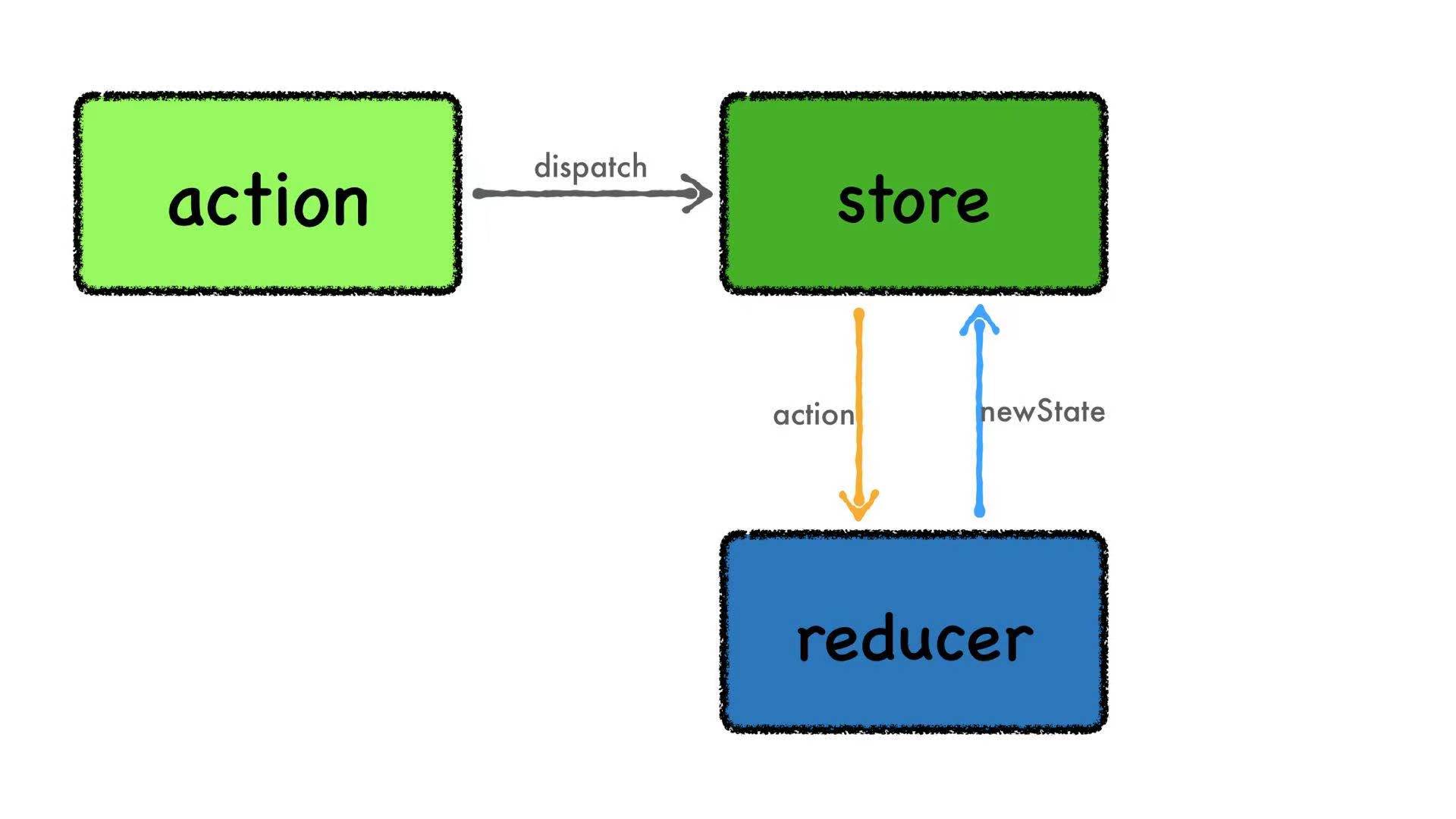
redux 是前端的一种数据解决方案。redux 由三部分组成,action、reducer 和 store。
其中 store 用于保存数据,action 用来描述如何改变数据,reducer 是用于改变数据的处理函数。
三者间的关系:
action
- 必须是一个 plain-object
- 通常,使用
payload 属性表示附加数据
action 中必须有 type 属性,描述操作的类型,该属性可以是任何类型action 创建函数
- 为了方便传递
action,通常会使用 action 创建函数来创建 action
action 创建函数应为纯函数
bindActionCreators
- 为了方便利用
action 创建函数来分发 action
- 参数 1:
action 创建函数 / action 创建函数集合(对象)
- 参数 2:
store.dispatch
- 返回值:增强的
action 创建函数,创建后自动分发
reducer
-
reducer 是一个接收两个参数:state 和 action 的函数
-
reducer 被调用的时机:
- 通过
store.dispatch,分发了一个 action
- 当创建一个
store 的时候,可以利用这一点,用 reducer 初始化状态:
- 创建仓库时,不传递任何默认状态
- 给
reducer 的参数 state 设置一个默认值
-
reducer 内部通常使用 switch 来判断 type 值
-
reducer 必须是一个没有副作用的纯函数
-
大中型项目中需要对 reducer 进行细分,redux 提供了方法 combineReducers 帮助我们方便的合并 reducer
store
dispatch:分发一个 actiongetState:得到仓库中当前的状态replaceReducer:替换掉当前的 reducersubscribe:注册一个监听器(无参),分发一个 action 之后会运行,该函数会返回一个函数,用于取消监听
createStore
根据 redux 的基本使用方法和要求我们可以实现一个不包括中间件的 createStore
1
2
3
4
5
6
7
8
9
10
11
12
13
14
15
16
17
18
19
20
21
22
23
24
25
26
27
28
29
30
31
32
33
34
35
36
37
| function createStore(reducer, defaultState) {
let currentReducer = reducer,
currentState = defaultState;
const listeners = [];
const dispatch = (action) => {
checkAction(action);
currentState = currentReducer(currentState, action);
listeners.forEach((listener) => listener());
};
const subscribe = (listener) => {
listeners.push(listener);
return () => {
const index = listeners.indexOf(listener);
if (index === -1) {
return;
}
listeners.splice(index, 1);
};
};
const getState = () => currentState;
dispatch({
type:
"@@redux/INIT" +
Math.random().toString(36).slice(2, 6).split("").join("."),
});
return {
dispatch,
getState,
subscribe,
};
}
|
combineReducer
combineReducer 所做的事就是将我们小的 reducer 合并成一个大的,并且会在初始就触发两次 reducer 来验证我们的 reducer 是否存在问题,不能返回 undefined。
1
2
3
4
5
6
7
8
9
10
11
12
13
14
15
16
17
18
19
20
21
22
23
24
25
26
27
28
29
30
31
| function combineReducers(reducers) {
assertReducerShape(reducers);
return combine(reducers);
}
const randomString = () =>
Math.random().toString(36).slice(2, 6).split("").join(".");
function assertReducerShape(reducers) {
for (const r in reducers) {
const reducer = reducers[r];
if (
reducer(undefined, { type: "@@redux/INIT" + randomString() }) ===
undefined ||
reducer(undefined, {
type: "@@redux/PROBE_UNKNOWN_ACTION" + randomString(),
}) === undefined
) {
throw new TypeError("reducers must not return undefined");
}
}
}
function combine(reducers) {
return (state = {}, action) => {
const newState = {};
for (const r in reducers) {
newState[r] = reducers[r](state[r], action);
}
return newState;
};
}
|
bindActionCreator
bindActionCreator 既可以接收创建函数也可以接收多个创建函数,所以需要分情况。
1
2
3
4
5
6
7
8
9
10
11
12
13
14
15
16
17
18
19
| function bindActionCreates(actionCreators, dispatch) {
if (typeof actionCreators === "function") {
return bindActionCreator(actionCreators, dispatch);
}
const newActionCreators = {};
for (const creator in actionCreators) {
const actionCreator = actionCreators[creator];
if (typeof actionCreator === "function") {
newActionCreators[creator] = bindActionCreator(actionCreator, dispatch);
}
}
return newActionCreators;
}
function bindActionCreator(actionCreator, dispatch) {
return function (...args) {
return dispatch(actionCreator.apply(this, args));
};
}
|
中间件
redux 中间件主要用于增强 dispatch 函数,通过原本的 dispatch 函数我们只能够更改数据无法做更多的事情。
redux 中间件的基本原理,是更改仓库中的 dispatch 函数。
中间件本身是一个函数,该函数接收一个仅包含 getState,dispatch 的简易 store 对象,该函数返回一个 dispatch 创建函数,dispatch 创建函数返回一个 dispatch 函数。
简单来说写一个中间件就是这样写:
1
2
3
| const middleware = (store) => (next) => (action) => {
};
|
使用中间件的方式:
createStore(reducer, [defaultState, applyMiddleware(middleware1, ....)])applyMiddleware(middleware1, ....)(createStore)(reducer, defaultState)
洋葱模型
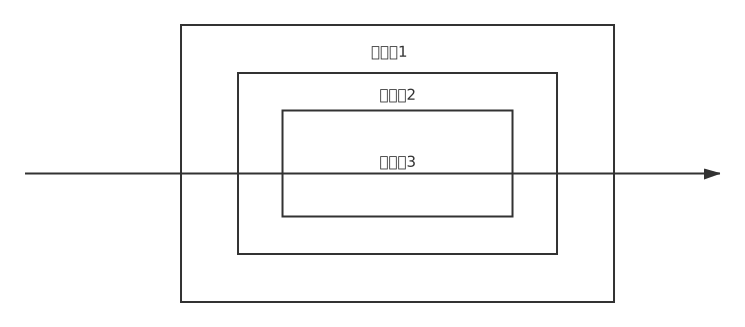
中间件本身是一个函数,该函数接收一个简易版 store 参数,并返回一个 dispatch 创建函数。
dispatch 创建函数接收一个参数 next (下一个中间件经过 dispatch 创建函数返回的 dispatch 函数)- 返回的
dispatch 函数只接收一个 action 参数
- 中间件函数参数中的
dispatch 函数是仓库中最终的 dispatch 函数
- 第一个中间件返回的
dispatch 最后会成为 store 最终的 dispatch函数,(...args) => dispatch(..args)
也就是这样一张图:

applyMiddleware
无论是使用哪种方式使用中间件,实际依赖的都是 applyMiddleware 这个函数。
compose
函数组合,将一个数组中的函数进行组合,形成一个新的函数,该函数调用时,实际上是反向调用之前组合的函数。这是一个函数式编程中的思想。
实现一个compose函数:
1
2
3
4
5
6
7
8
9
10
11
12
13
14
15
16
17
18
19
20
| function compose(...funcs) {
if (funcs.length === 0) {
return (args) => args;
} else if (funcs.length === 1) {
return funcs[0];
}
return function (...args) {
let lastReturn = null;
for (let i = funcs.length - 1; i >= 0; i--) {
const func = funcs[i];
if (i === funcs.length - 1) {
lastReturn = func(...args);
} else {
lastReturn = func(lastReturn);
}
}
return lastReturn;
};
}
|
可以看到核心的逻辑就是在函数数量大于 1 的时候,利用 js 的数组中的方法,可以更加简洁的实现该功能:
1
2
3
4
5
| funcs.reduce(
(a, b) =>
(...args) =>
a(b(...args))
);
|
实现
1
2
3
4
5
6
7
8
9
10
11
12
13
14
15
16
17
18
| function applyMiddleware(...middlewares) {
return (createStore) => (reducer, defaultState) => {
const store = createStore(reducer, defaultState);
let dispatch = () => {
throw new Error("目前还不能使用 dispatch");
};
const middlewareAPI = {
getState: store.getState,
dispatch: (...args) => dispatch(...args),
};
const chain = middlewares.map((middleware) => middleware(middlewareAPI));
dispatch = compose(...chain)(store.dispatch);
return {
...store,
dispatch,
};
};
}
|
可以发现一个很巧妙的点就是 middlewareAPI 这里,利用闭包巧妙地实现了 dispatch 的替换。